


Personal Protective Equipment (PPE)
Personal protective equipment (PPE) consists of tools and accessories designed to ensure the safety of workers or individuals performing various tasks. These items are intended to prevent exposure to hazardous factors such as chemicals, physical injuries, and biological threats. The use of PPE includes wearing helmets, respirators, protective eyewear, gloves, and specialized clothing. Their effectiveness depends on proper selection, correct usage, and following operating instructions.
What Is PPE and What Are Its Main Functions?
Personal protective equipment (PPE) is designed to protect workers from various hazards in the workplace. It includes helmets, respirators, protective goggles, gloves, and specialized clothing. The main function of PPE is to reduce the risk of injuries and illnesses caused by harmful exposures.
PPE protects against mechanical injuries such as impacts or falls, chemical substances that may cause burns or poisoning, and biological threats such as harmful microorganisms. These tools are especially important in industries where workers face increased risks, including construction, chemical manufacturing, and healthcare.
Proper use of PPE requires knowledge and adherence to guidelines. Workers must be trained in proper usage, and regular inspection and replacement of worn or damaged equipment should be performed. Only in this way can reliable protection be ensured and workplace accidents reduced.
Classification of Personal Protective Equipment
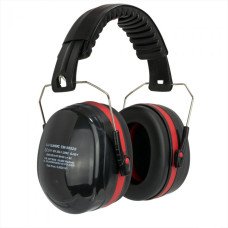
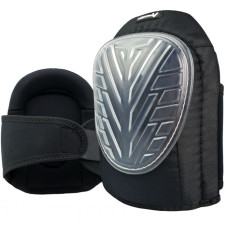
PPE is divided into several categories based on the area of protection and the type of hazard they are designed to counter. The main groups include protection for the head, respiratory system, eyes and face, hands, feet, as well as skin and body.
Head protection includes helmets and hard hats that safeguard against mechanical damage.
Respiratory protection, such as respirators and masks, prevents harmful substances from entering the airways.
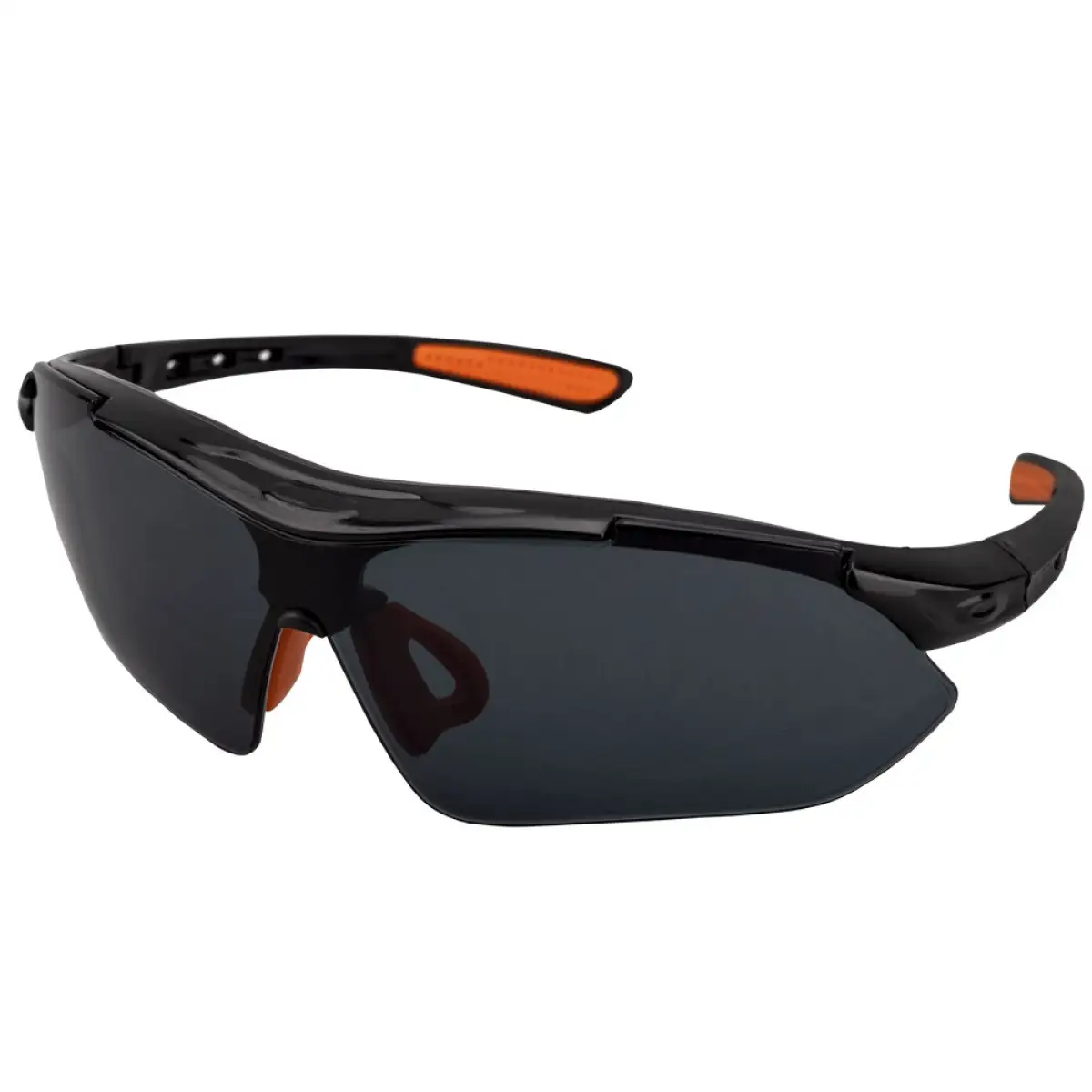
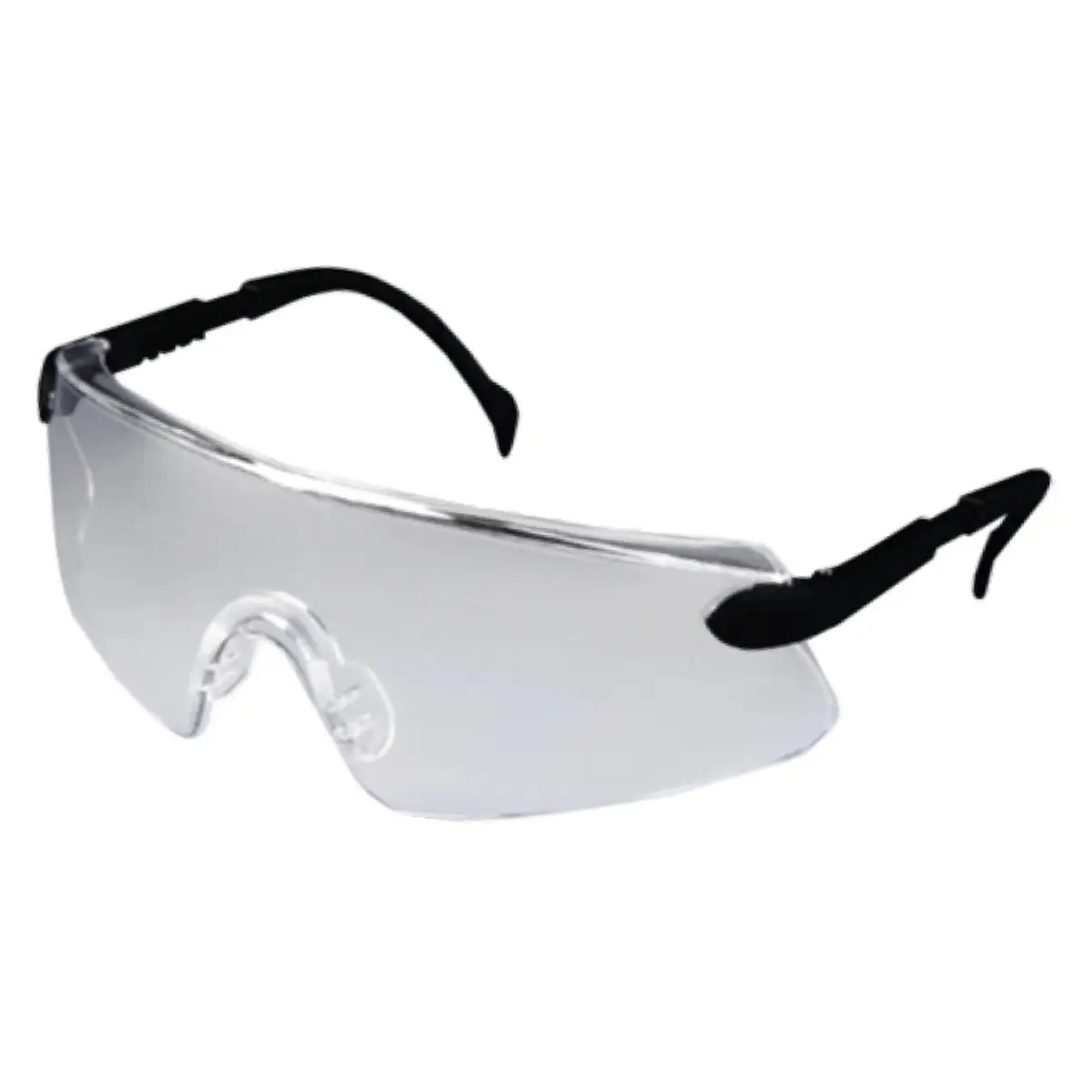
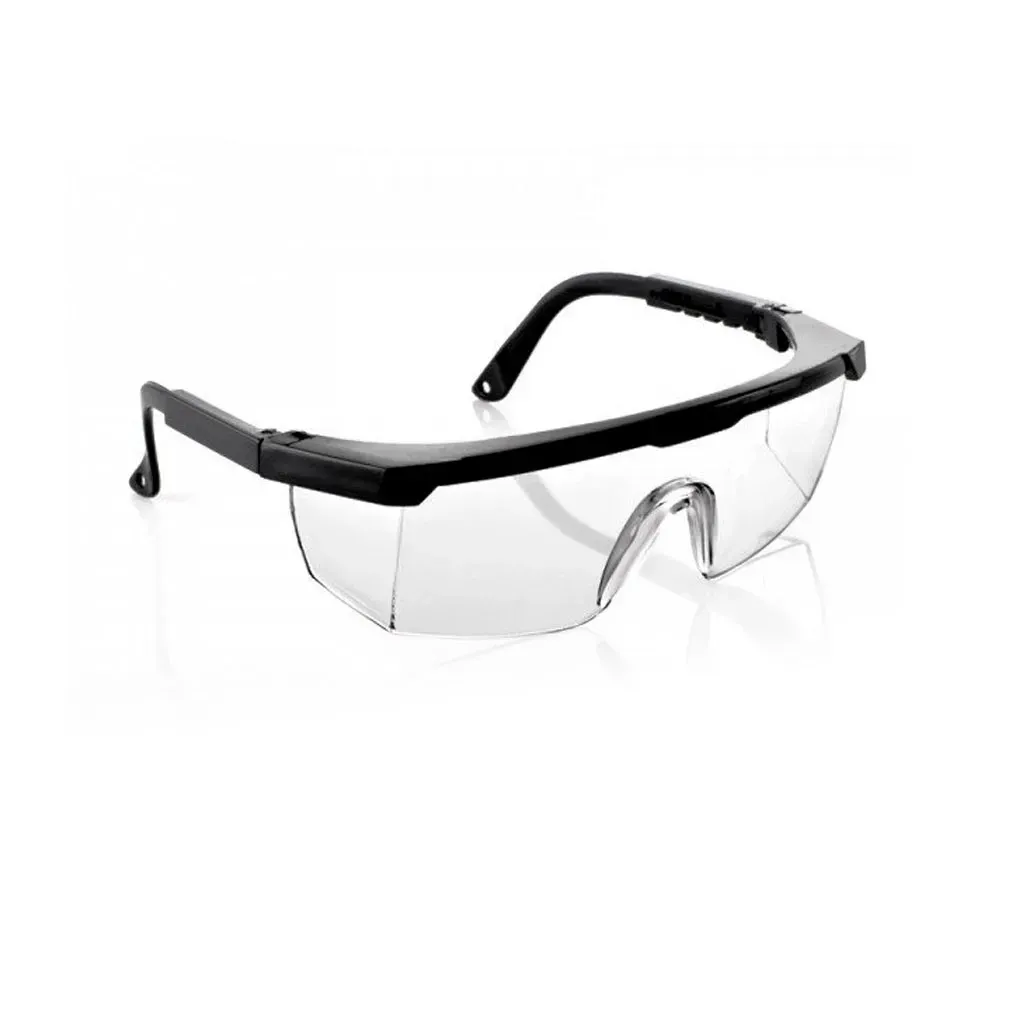
Protective goggles and face shields are used to protect the eyes and face from mechanical impacts, chemical splashes, and radiation.
Hand protection includes a variety of gloves chosen depending on the type of work: protection from mechanical damage, chemicals, high temperatures, or electrical hazards.
Safety footwear ensures foot protection and may be resistant to punctures, electric shock, chemicals, and extreme temperatures.
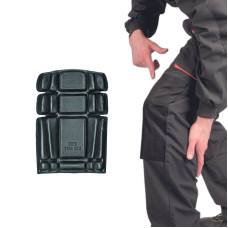
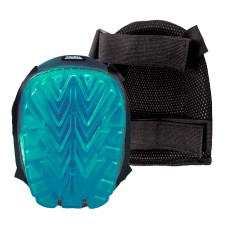
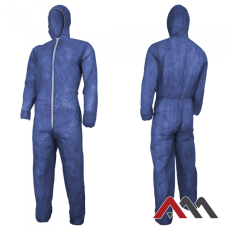
Special clothing and coveralls protect the skin and body from aggressive environments, mechanical damage, and other hazards. In recent years, protective clothing with integrated safety features, such as reflective inserts, has become increasingly popular.
Each piece of PPE has specific characteristics and must meet certain standards to ensure effective protection. It is important to properly select and use PPE in the workplace based on safety requirements and working conditions.
Technical Requirements and Standards for PPE
Technical requirements and standards for personal protective equipment (PPE) include strict criteria for quality and safety. These requirements ensure that PPE provides a high level of protection and meets established regulations.
Each piece of PPE must undergo certification and testing to confirm its reliability. For example, helmets are tested for impact resistance, while respirators are tested for their ability to filter harmful substances. Comfort and ergonomics are also essential to ensure that protective equipment does not cause discomfort during prolonged use.
There are international and national standards such as DSTU, EN, and ISO that PPE must comply with. Adherence to these standards ensures reliable worker protection in the workplace. Regular inspections and replacement of worn equipment are also required to maintain its effectiveness.