
Winter Safety Footwear: Importance and Advantages!
Winter safety footwear is a critical component for any company whose employees work outdoors during the cold season. Its importance cannot be overstated, given the climate conditions and the high safety standards required at industrial and construction sites.
Features of Winter Safety Footwear
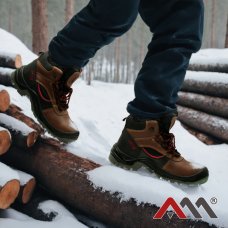
The main purpose of winter safety footwear is to provide protection from low temperatures, moisture, and slippery surfaces.
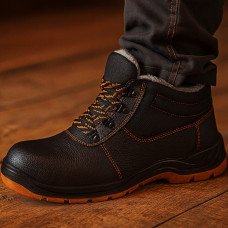
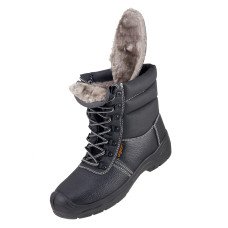
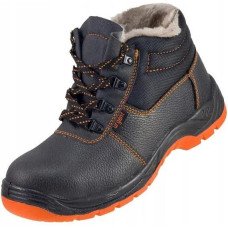
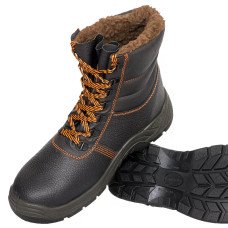
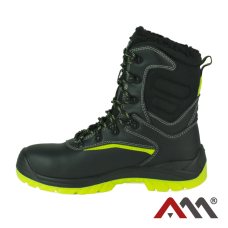
One of the key features of winter safety shoes is their ability to retain heat. This is achieved through the use of multi-layered materials, including thermal insulation and fur linings. It is essential that the materials used are resistant to moisture since wet footwear loses its insulating properties.
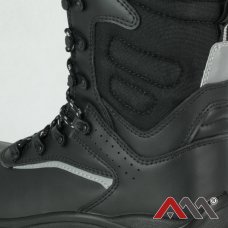
Another important characteristic is durability and resistance to mechanical damage. On construction sites or in industrial areas, workers often encounter sharp objects, stones, and other hazards. Therefore, winter safety boots must be made from wear-resistant materials that protect the feet from cuts, punctures, and impacts.
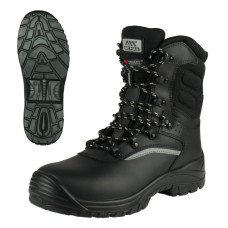
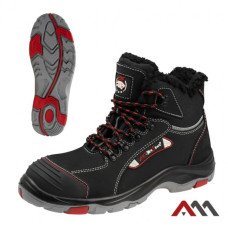
The outsole plays a crucial role as well. It must provide excellent grip on icy and snowy surfaces. The sole should be not only strong but also flexible enough to ensure comfort and stability during movement.
Comfort
Ergonomics and comfort are key priorities in the design of winter safety footwear. The shoes must be comfortable for prolonged wear without causing fatigue or pain. Modern materials and technologies allow manufacturers to create lightweight yet warm shoes that support the natural position of the foot and ensure even weight distribution.
High-quality winter safety footwear helps prevent many issues caused by cold and harsh environments. By investing in proper protection for their employees, companies ensure not only safety and health but also improved overall productivity.
Thus, winter safety footwear is not just a part of workwear — it’s an essential element for ensuring safety, comfort, and health during the winter season.
Materials and Manufacturing Technologies
Producing winter safety footwear requires the use of high-quality, innovative materials that provide warmth, water resistance, and durability. One of the main characteristics is thermal insulation, achieved through multi-layered designs with natural or synthetic fur and special heat-retaining inserts.
Another key element is the waterproof membrane, which prevents moisture from entering while allowing the foot to breathe. This keeps the feet dry and comfortable even during intensive work. The outer shell is usually made of leather or modern synthetic materials resistant to wear and damage. Leather is often treated with special coatings to enhance its water-repellent properties and durability.
The outsole of winter safety footwear is made of polyurethane, thermoplastic polyurethane (TPU), or rubber. These materials ensure excellent traction on icy and snowy surfaces thanks to their special tread patterns. Direct injection molding technology guarantees a secure bond between the sole and upper part of the shoe, extending the footwear’s lifespan.
Main Types of Winter Safety Footwear
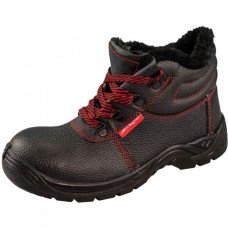
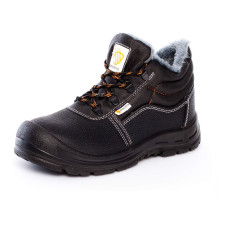
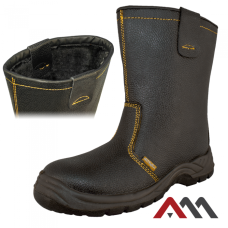
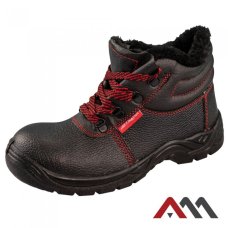
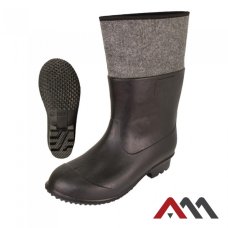
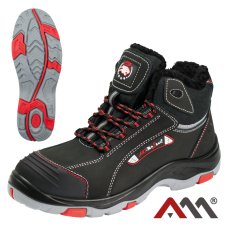
Winter safety footwear comes in various models designed for different tasks and conditions. The most common types include work boots and military-style boots (ankle boots). These models provide superior protection from cold and moisture.
Another popular type is work shoes, which combine strength and comfort, suitable for prolonged wear and active tasks.
Winter safety footwear often features reinforced toe caps and heel counters for extra protection. Many models include special inserts that support the arch and reduce strain on the spine.
Ultimately, the choice of winter safety footwear depends on working conditions and climate. Properly selected shoes not only increase productivity but also reduce the risk of injuries and illnesses, ensuring the well-being and efficiency of every worker.