
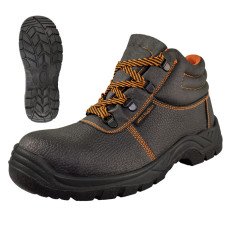
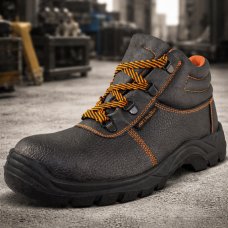
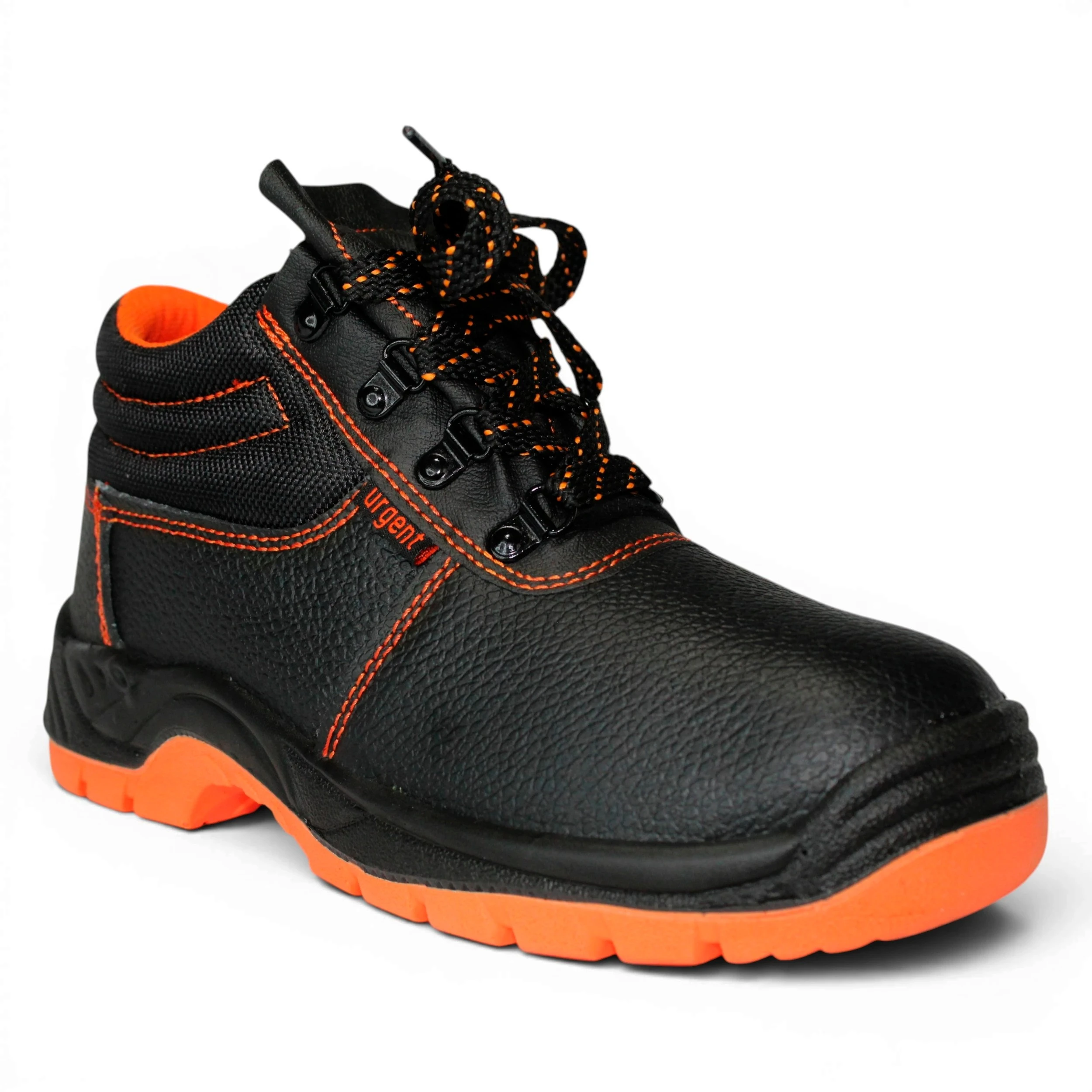
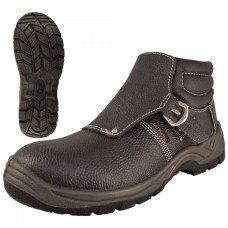
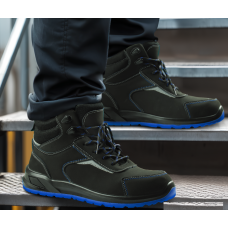
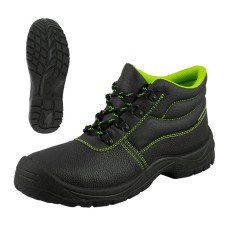
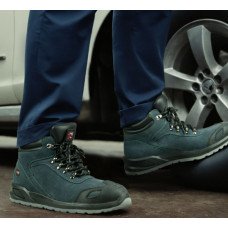
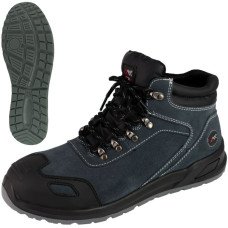
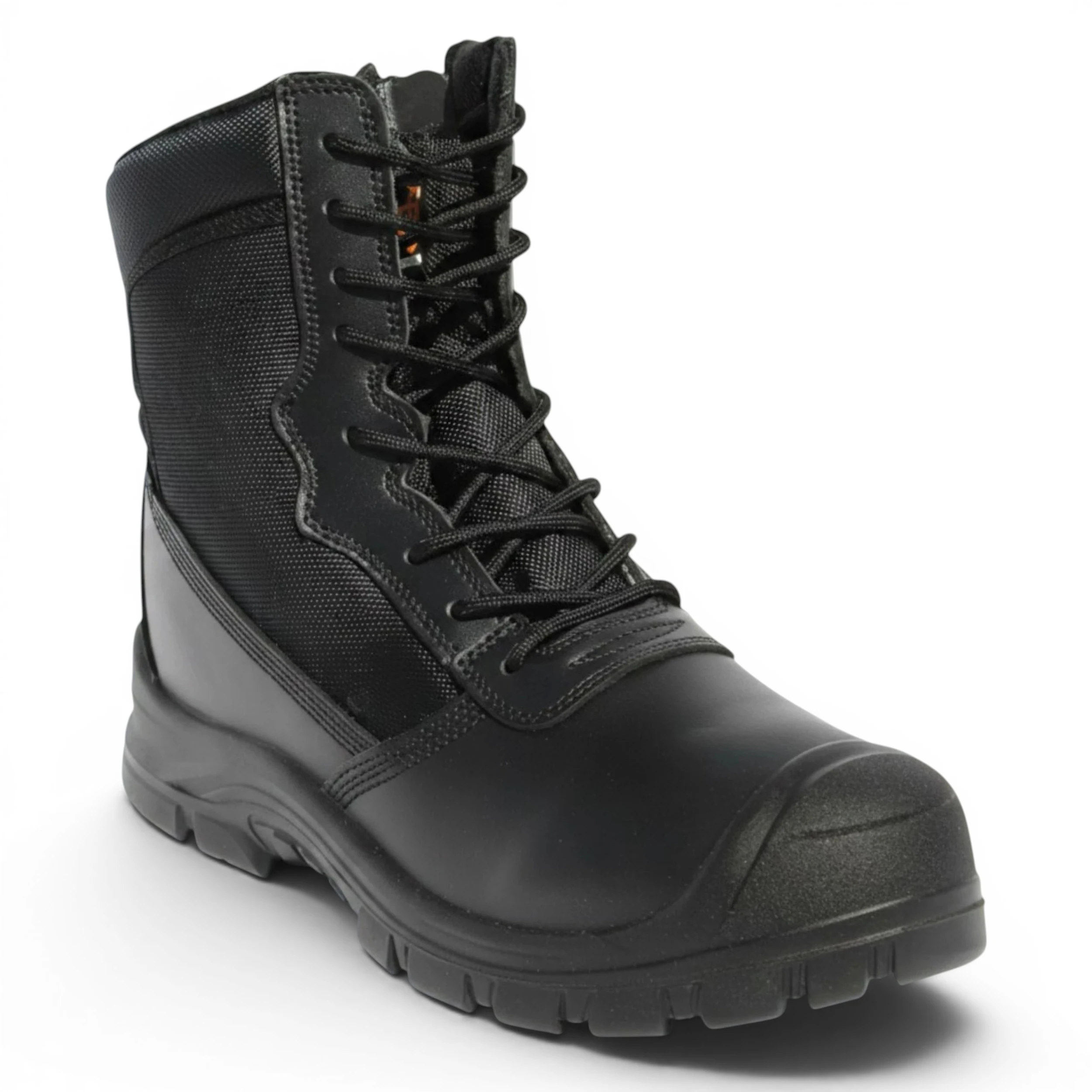
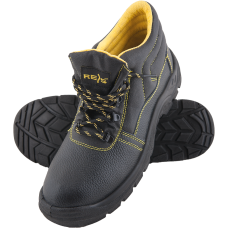
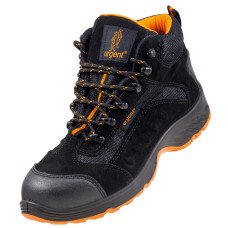
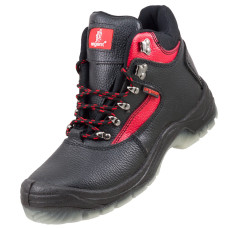
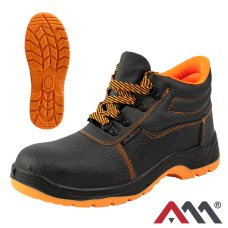
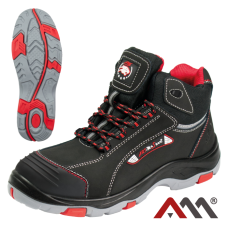
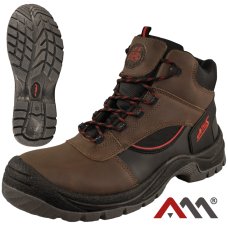
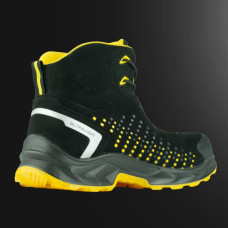
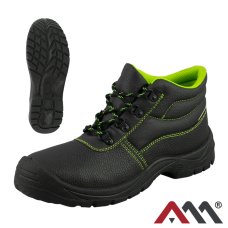
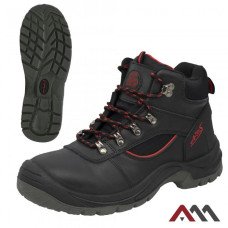

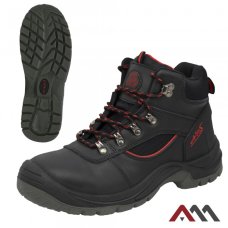
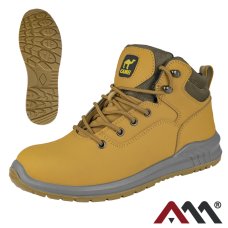
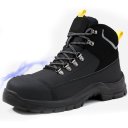
Work Boots: Safety and Reliability for Professionals in the Work Footwear Category
Professional activity today requires not only skills and experience but also high-quality specialized equipment. One of the key elements of worker protection is work boots, which ensure safety, reliability, and comfort in various conditions.
The Importance of Work Boots in Professional Environments
Professional footwear is not just part of a uniform — it’s an essential protective tool. Quality work boots safeguard the feet from common risks such as impacts or falling objects, as well as from specific hazards like high temperatures, chemical exposure, cuts, and electrical discharges.
Requirements for Work Footwear
When choosing work boots, it’s crucial to consider durability, resistance to harsh environments, and compliance with international safety standards such as ISO and EN. Upper materials are typically made from genuine leather or high-tech synthetics, ensuring long life and wear resistance. The sole should be strong yet flexible, with reliable anti-slip properties for stable footing.
Comfort and Ergonomics
For professionals who spend long hours on their feet, comfort is as important as protection. Ergonomic design, cushioned insoles, and ventilation systems help reduce fatigue and prevent long-term foot strain. Comfortable footwear increases productivity and minimizes the risk of occupational foot problems.
Key Selection Criteria
Buying the right work boots is a responsible decision. An improper fit can cause discomfort and even lead to injuries. Below are the main factors to consider when choosing work footwear:
Protective Features
The main protective components of work boots include:
- Steel or composite toe cap;
- Puncture-resistant midsole;
- Heat resistance;
- Electrical hazard protection;
- Waterproof construction.
It’s important to match the protective level of the footwear to the specific risks of your job. Construction sites, factories, and chemical plants all require different protection features.
Fitting and Buying Tips
Try on work boots at the end of the day when your feet are slightly swollen — this ensures the best fit. Footwear should feel secure but not tight. Consider any orthopedic needs to maintain long-term comfort and avoid injury.
Care and Maintenance
Like any tool, work boots require regular maintenance. Clean them after every shift to remove dirt and chemicals. Use a damp cloth and leather care products for leather boots, and soft brushes with neutral detergents for synthetic models. Proper cleaning extends service life and maintains protective performance.
Store your boots in a dry, ventilated space away from direct heat or sunlight. Never dry them on radiators or heaters — let them air dry naturally to preserve their shape and material integrity.
Euro-Komplekt offers a wide range of certified work boots that meet European safety standards, combining durability, comfort, and professional design — the perfect choice for those who value protection and quality.