
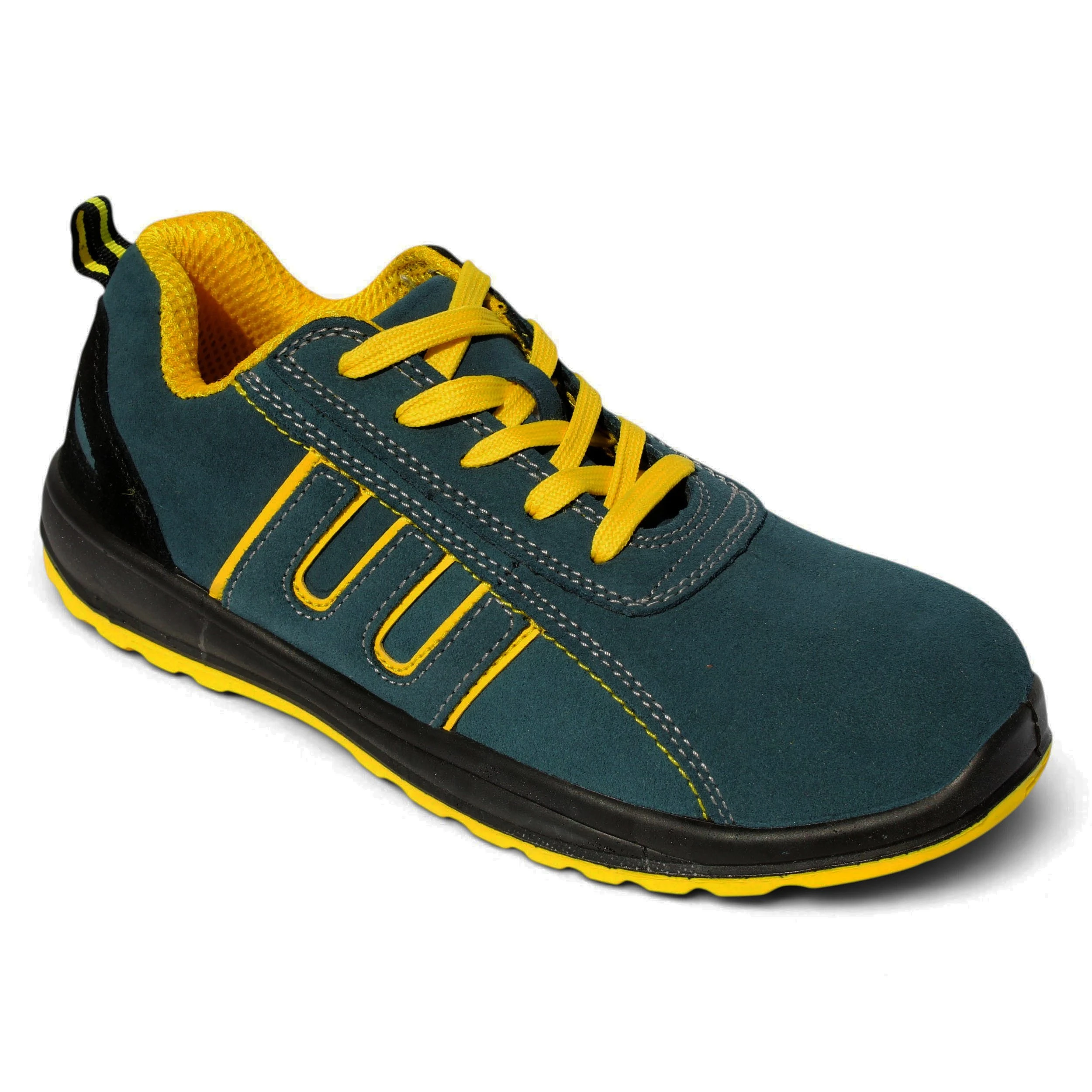
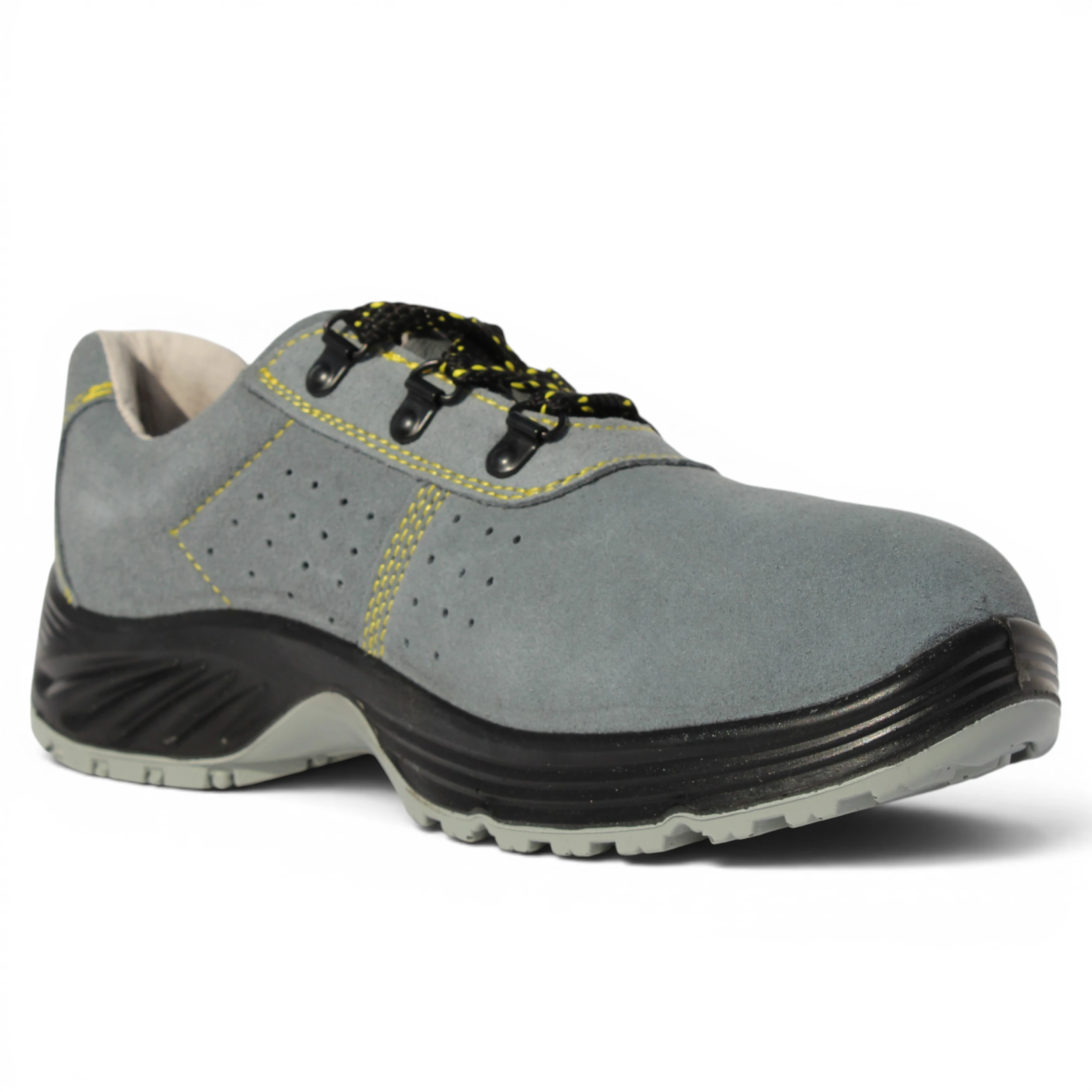
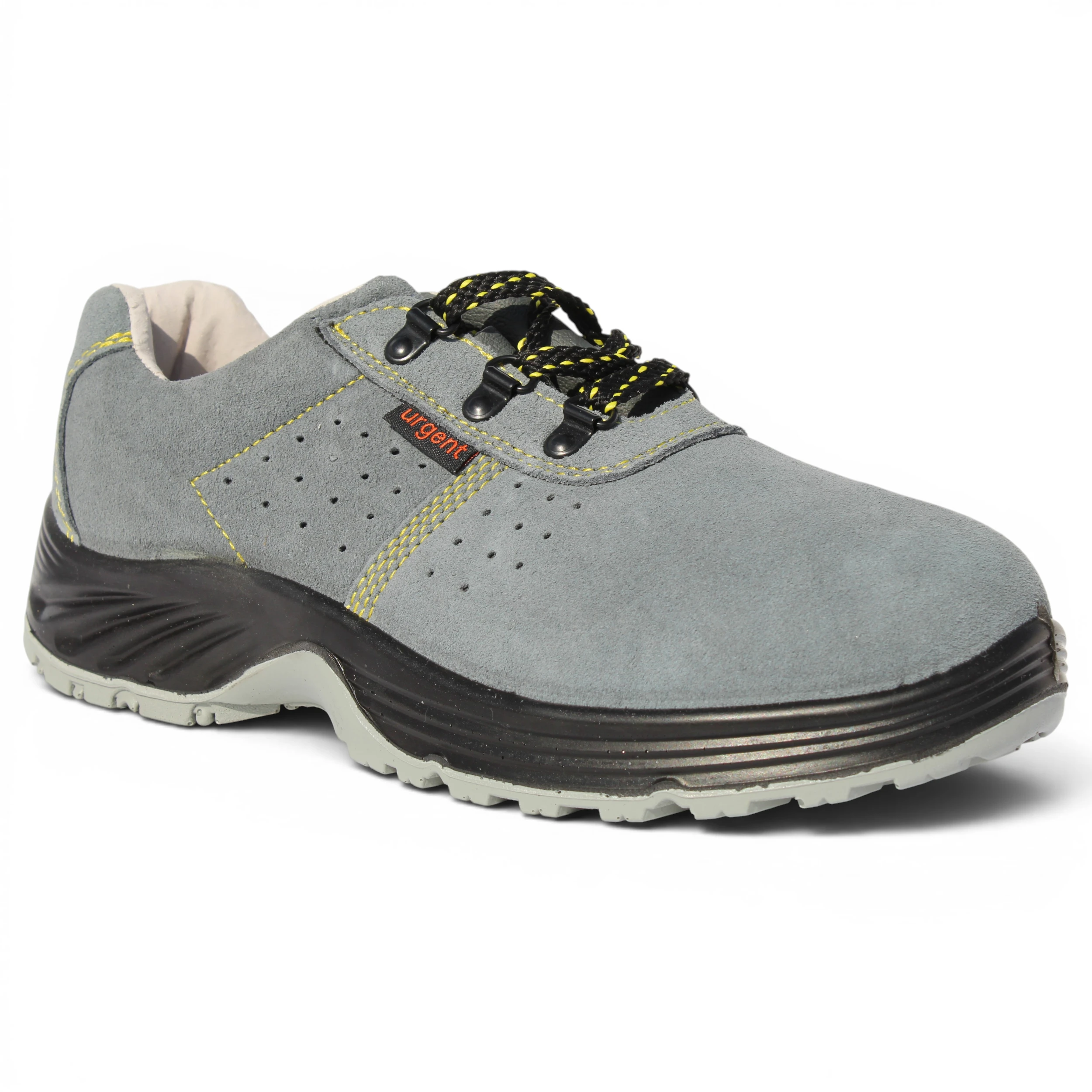
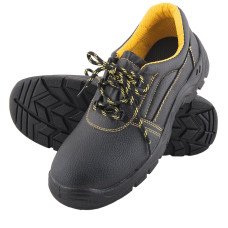
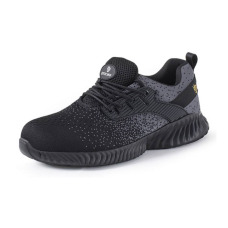
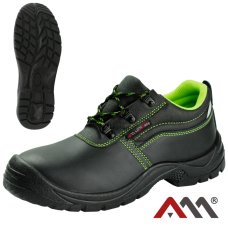
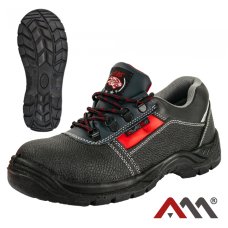
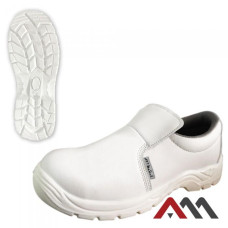
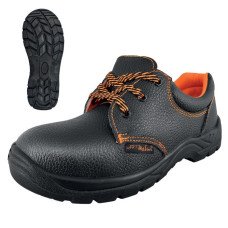
Work Shoes: Protection and Comfort on the Job
During a workday in production, the feet endure significant strain. The right choice of work footwear affects not only the worker’s comfort but also their safety. Let’s discuss the key aspects of reliable work shoes — their design, materials, and technologies that ensure both injury protection and wearing comfort.
The Importance of Quality Work Footwear
High-quality work shoes are an essential part of protective clothing, as they prevent many workplace accidents. Properly selected shoes reduce the risk of injuries and protect the feet from chemical exposure, extreme temperatures, moisture, sharp objects, and impacts.
Requirements for Work Shoes
Work shoes must meet a number of requirements, including:
-
Durability and wear resistance of materials. During production, feet may come into contact with sharp objects, oils, and other aggressive environments. The material must withstand such exposure without losing its protective properties over time.
-
Protection against mechanical damage. This includes the presence of a protective toe cap that shields the toes from injury — usually made of steel or composite materials. There should also be puncture resistance, achieved through a protective plate in the sole.
-
Foot support and comfort. Work shoes should hold the foot firmly, feature a comfortable last, and have ergonomic insoles that help distribute the load evenly.
-
Non-slip sole. The outsole must provide excellent traction on various surfaces, especially slippery or wet ones.
-
Breathability. To prevent overheating and excessive sweating, the materials should include ventilation elements.
-
Lightweight design. Despite their durability, shoes should not be too heavy, as this increases fatigue during prolonged wear.
Design Features of Reliable Work Shoes
A well-thought-out design is the key to the durability and functionality of work footwear.
Attention is paid to every element:
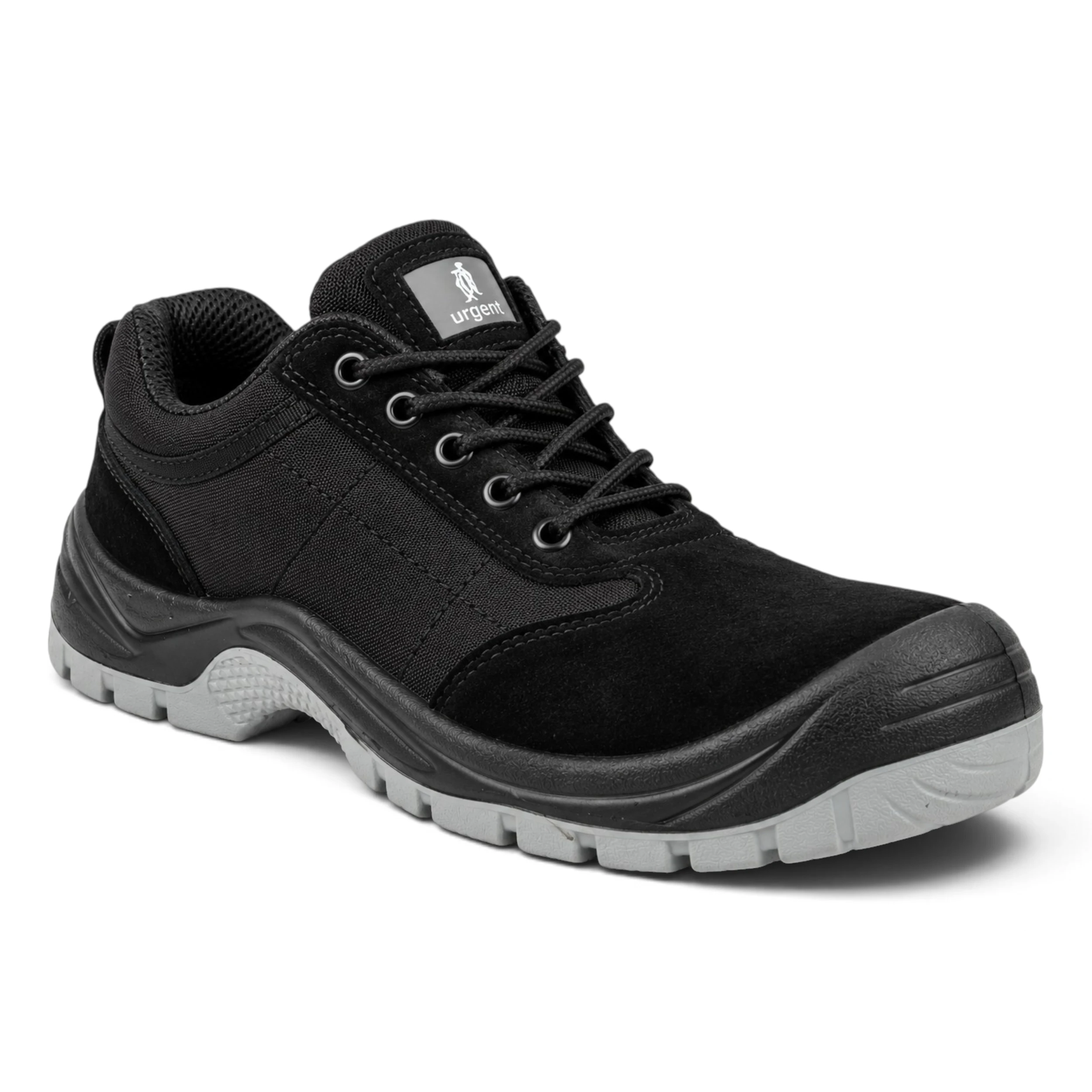
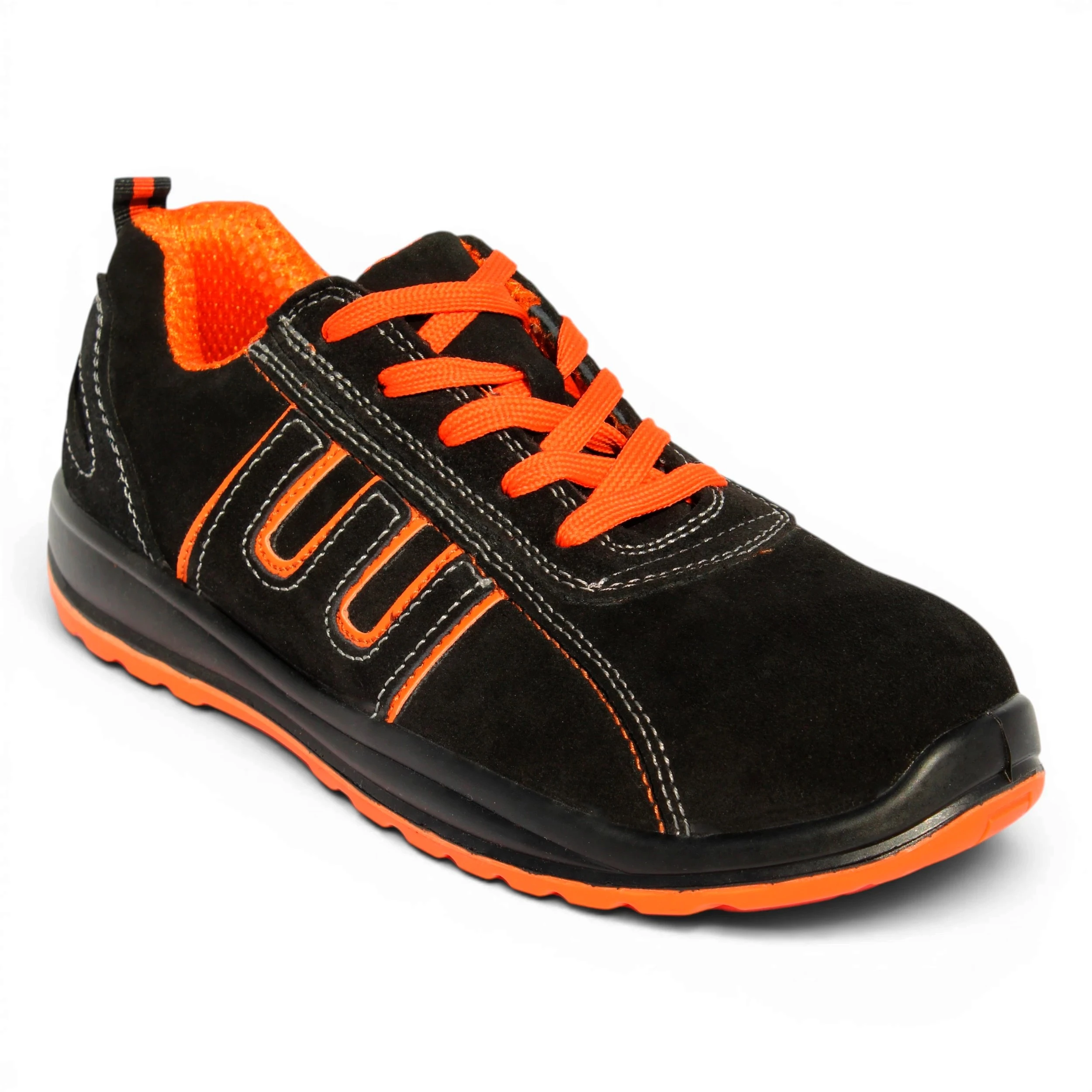
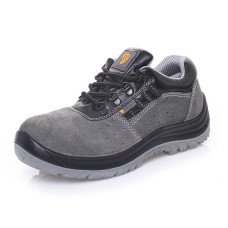
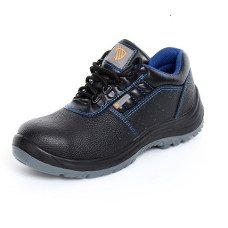
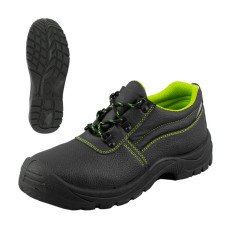
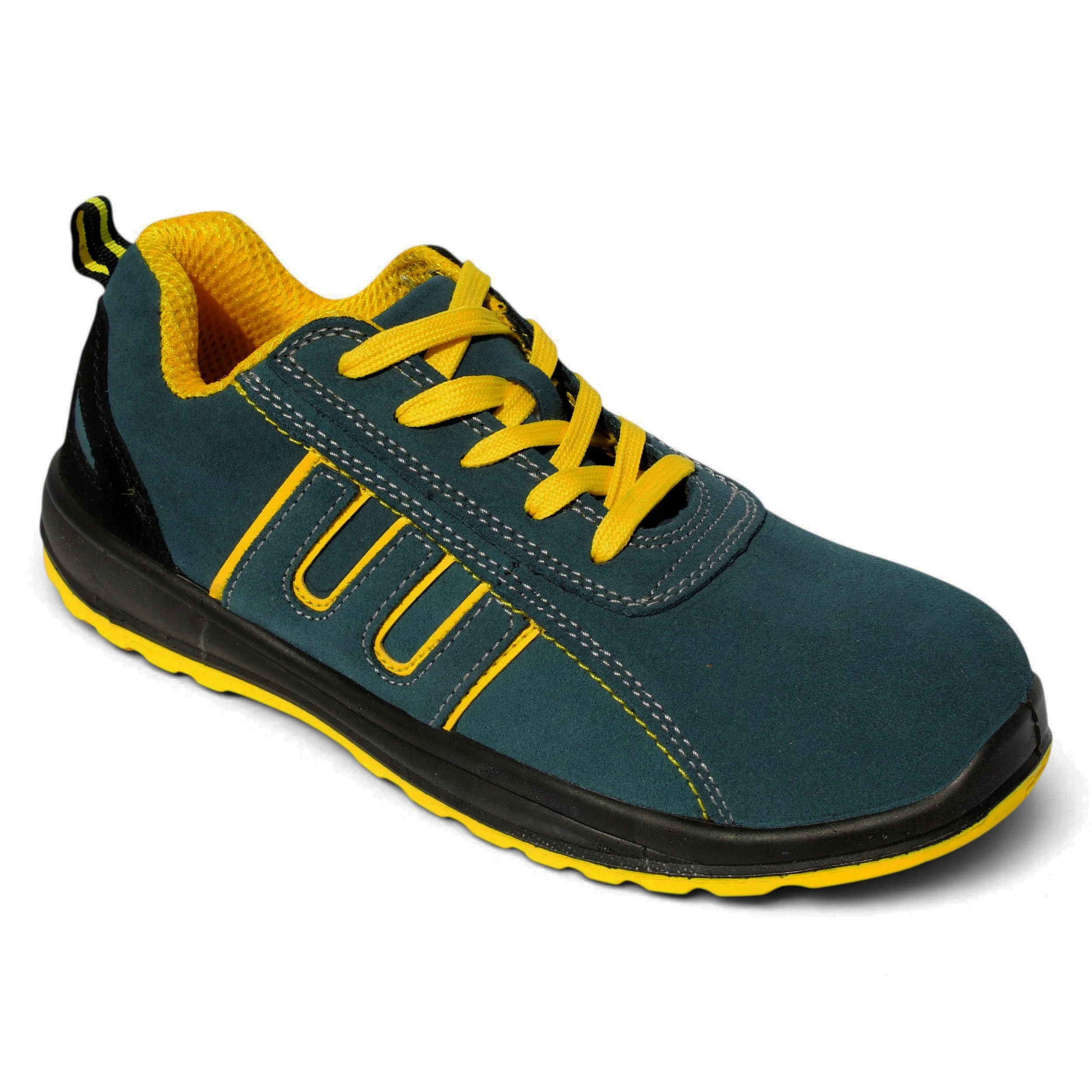
- Upper part — made from wear-resistant materials such as genuine leather or high-quality synthetic alternatives.
- Sole — made of polyurethane, rubber, or TPU (thermoplastic polyurethane), providing reliable grip and resistance to abrasion.
- Metal or composite toe cap — protects against impacts and compression.
- Insole — should support the arch and provide cushioning properties.
- Fittings (fasteners, laces, loops) — must be strong and durable.
By paying proper attention to each of these components, manufacturers ensure the reliability and long service life of work footwear.
Materials Used in Work Shoe Production
The choice of material affects not only the durability and protective characteristics of work footwear but also its comfort. Modern manufacturers use the following materials:
- Genuine leather. Offers excellent strength, flexibility, and breathability. Leather footwear is considered the classic choice for industrial use.
- Nubuck and suede. These are types of leather with a softer texture and a more appealing aesthetic appearance.
- Synthetic materials. Modern polymers can compete with natural leather in terms of durability and protective qualities. Common options include Cordura, nylon, and various types of polyurethane.
The choice of material depends on the working environment. For example, in humid or aggressive conditions, synthetic materials are preferable, while for dry and less demanding environments, leather shoes are ideal.
Protective Technologies in Work Shoes
Modern technologies make it possible to achieve a high level of safety and comfort in work footwear. The most common include:
- Steel Toe — traditional impact protection.
- Composite Toe — a lightweight alternative to steel.
- ESD (electro static discharge) — protection from electrostatic discharges.
The use of these and other technologies makes work footwear highly adaptable to specific working conditions.
Proper Selection and Fitting of Work Shoes
Choosing work shoes requires careful attention to size and fit. They should not pinch or restrict blood circulation, but also should not be too loose to avoid losing stability and control while walking. For the best fit, it is recommended to:
- Try on the shoes at the end of the workday, when feet are slightly swollen.
- Wear the same socks you plan to use at work.
- Check the fit in both standing and sitting positions.
- Ensure enough room for the toes.
Caring for Work Shoes
Proper care is essential for maintaining functionality and extending the service life of footwear. This includes regular cleaning from dirt and dust, using specialized products for leather or synthetic materials, and drying at room temperature — avoiding direct heat exposure.