


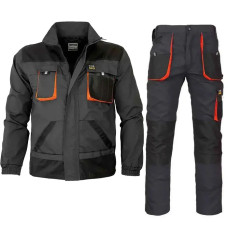
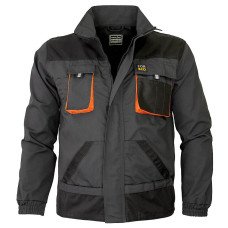
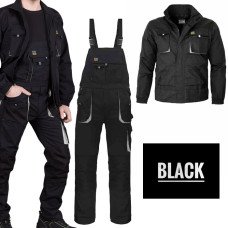
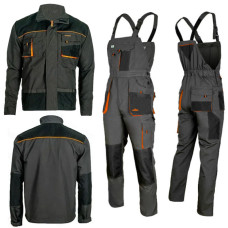
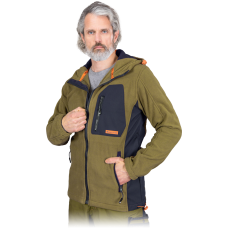
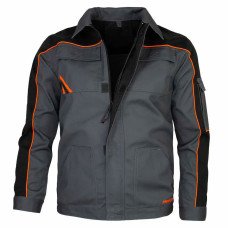
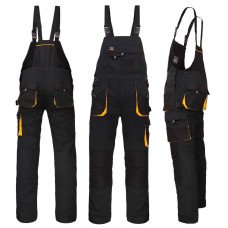
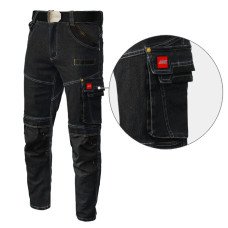
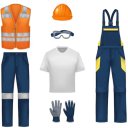
Demi-Season Workwear: Quality Protection for the Job
With the arrival of transitional seasons — spring and autumn — providing employees with high-quality workwear becomes especially important. Demi-season workwear is a special type of gear that combines protection from unfavorable weather conditions with the comfort needed to perform professional duties effectively.
The Importance of Reliable Demi-Season Workwear for Professionals
Outdoor work involves many factors that can affect both workers’ health and their productivity. Seasonal rain, fluctuating temperatures, and strong winds all require specialized clothing designed to protect in such conditions.
High-quality demi-season workwear should perform the following functions:
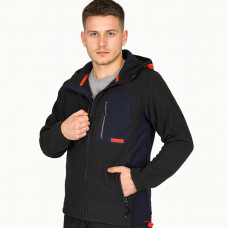
- Moisture protection: water-repellent materials help keep the body dry and warm, even during rain or wet snow.
- Thermal regulation: clothing should retain warmth in cold weather and provide ventilation when it’s warm outside.
- Comfort and freedom of movement: a specialized cut ensures ease and flexibility while performing work tasks.
- Durability: materials and fittings must be strong and wear-resistant so that the clothing lasts as long as possible.
Criteria for Choosing Comfortable and Durable Demi-Season Workwear
Choosing demi-season workwear requires attention to multiple characteristics and parameters. Below are several key factors to consider when purchasing.
Materials. High-quality, modern fabrics used in workwear not only protect against moisture and wind but also “breathe,” allowing excess heat and moisture to escape. Membrane fabrics are among the best options for demi-season clothing.
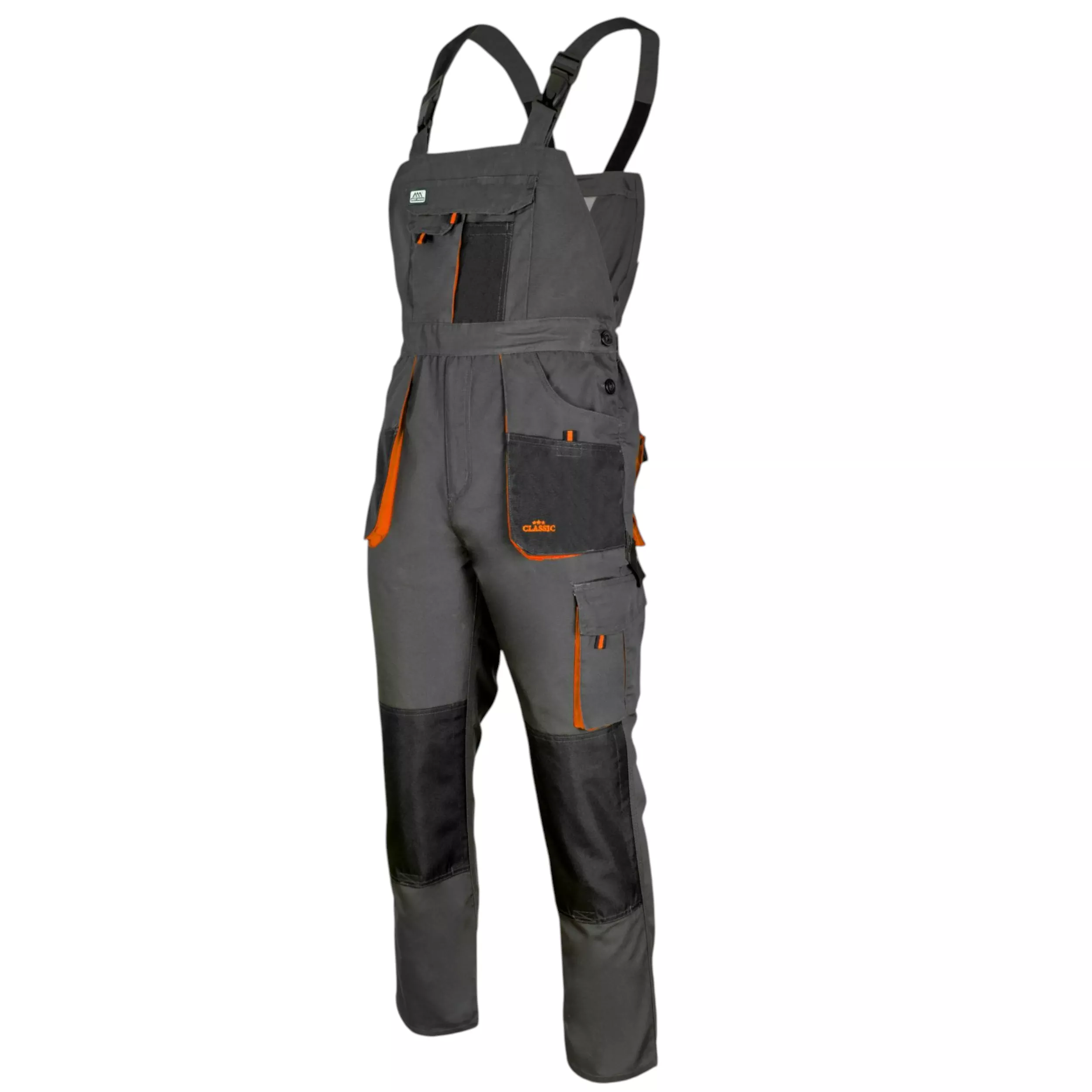
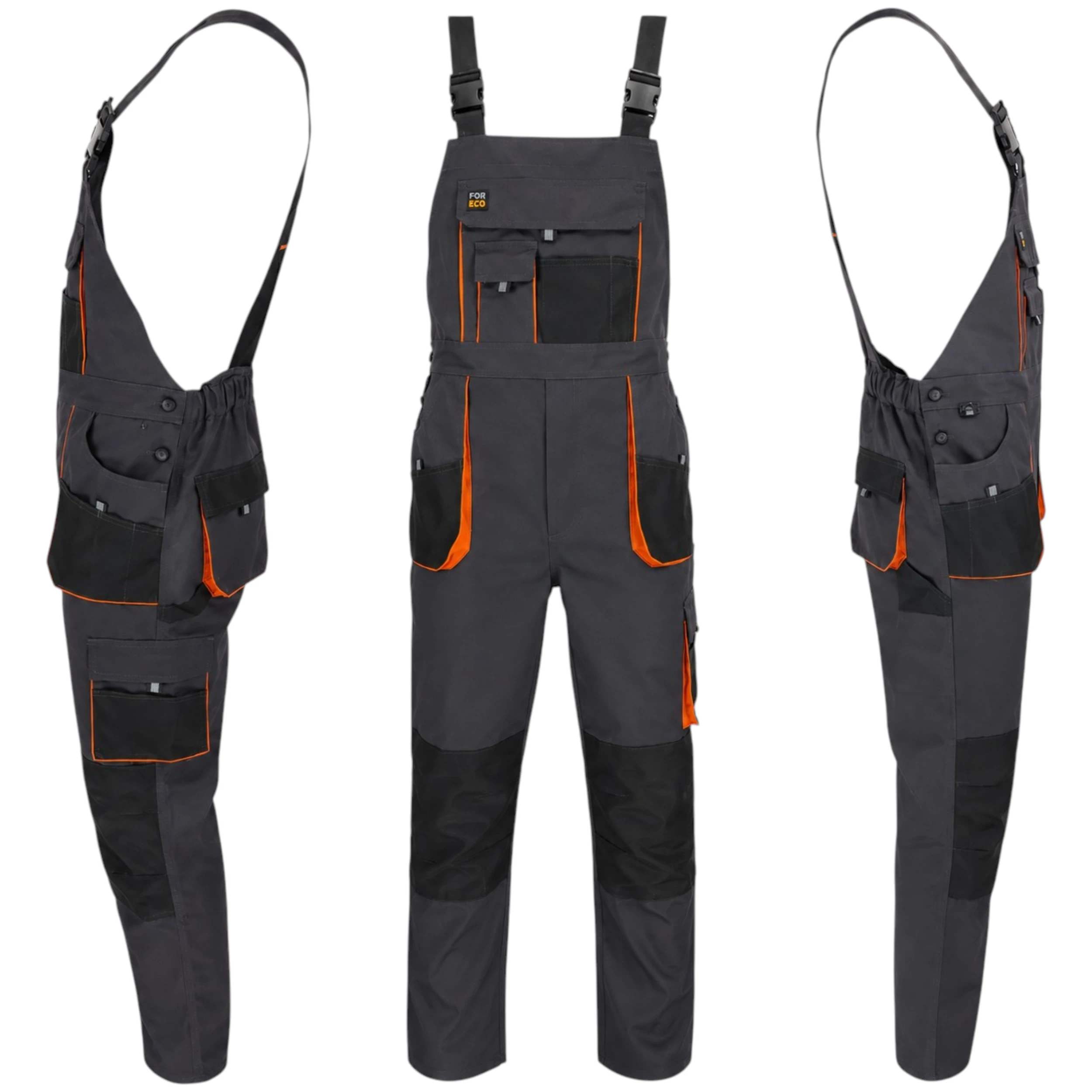
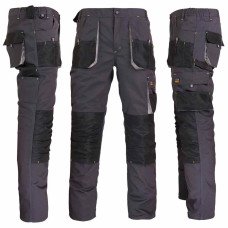
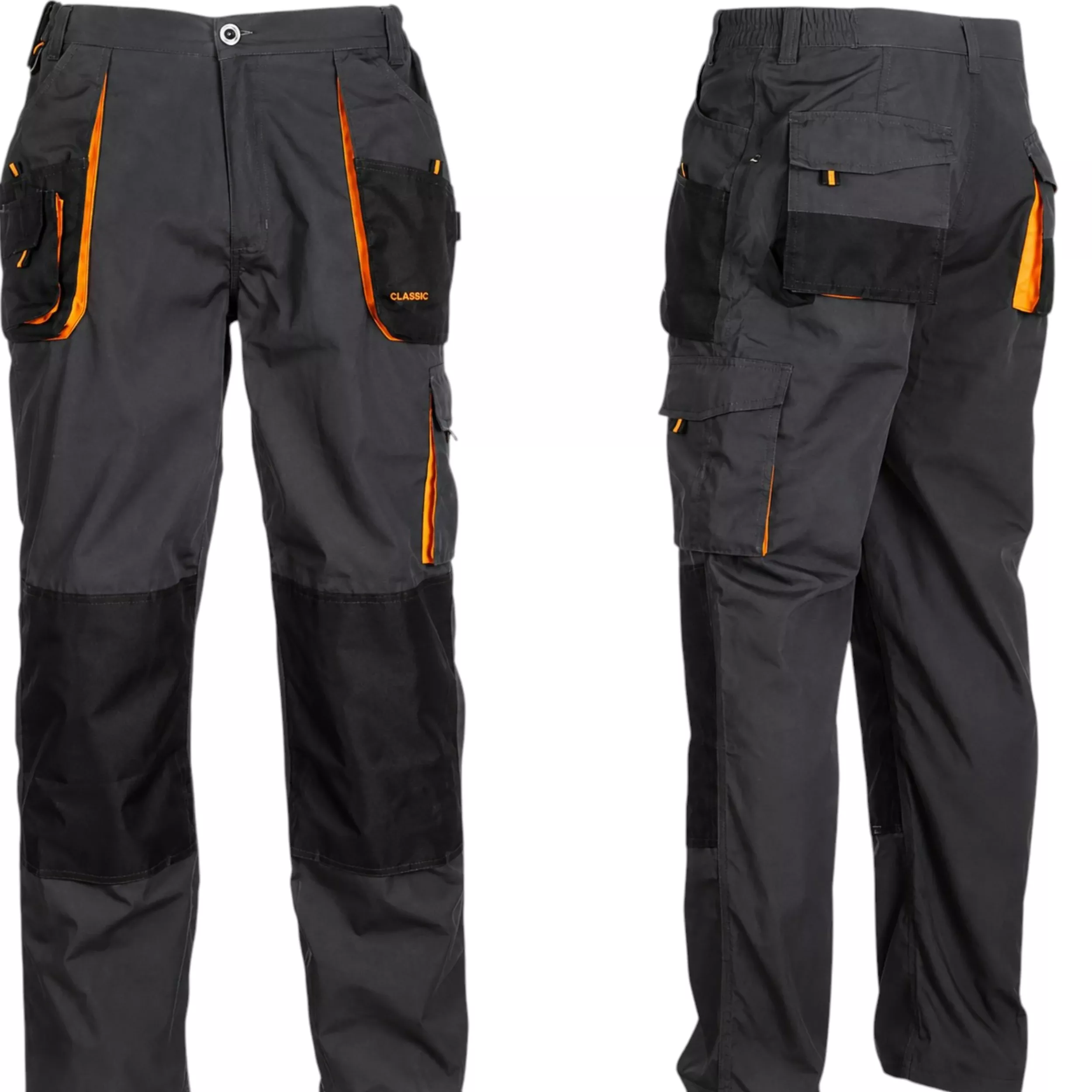
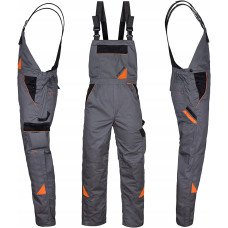
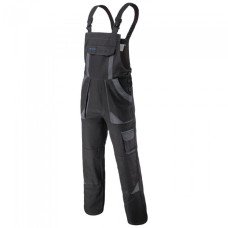
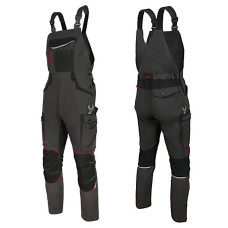
Durability. Critical areas such as seams, pockets, and fasteners should be reinforced. Abrasion-resistant materials like Cordura on the knees and elbows extend the garment’s lifespan under daily use.
Ergonomics.
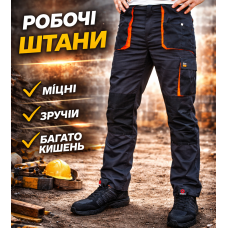
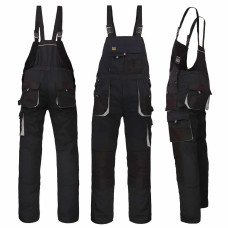
The cut of workwear should match the specific work tasks, allowing unrestricted movement and easy access to essential tools — especially important for builders, fitters, and other professionals.Protective properties. Workwear should meet safety standards and regulations as defined by international norms. In some cases, reflective elements are required to ensure visibility of the worker during nighttime or low-light conditions.