
Work Headgear: Caps, Hats, Helmets and Their Role in Protection and Corporate Identity
Work headgear such as caps, hats, and helmets play an essential role in ensuring worker safety and maintaining corporate spirit. They not only protect the head from various external factors but also serve as an element of unified style among employees. In today’s world, where workplace safety is increasingly important, choosing the right headgear can make all the difference.
The Importance of Head Protection in the Workplace
Head protection is one of the most critical aspects of safety on industrial or construction sites. Everyday working conditions can expose workers to numerous risks — falling objects, impact with hard surfaces, or exposure to harsh weather. Work headgear such as helmets is specifically designed to counter these hazards.
Helmets are mandatory personal protective equipment in industries like construction and heavy manufacturing. They are made from strong yet lightweight materials capable of absorbing impact and protecting the worker’s head. Many helmets feature internal systems that distribute impact force, reducing the risk of head and brain injuries.
Given the number of workplace accidents, wearing helmets and other protective headgear significantly reduces the risk of injury. According to the International Labour Organization, over 2.3 million workers die annually from work-related causes. Proper use of personal protective equipment, including headgear, can save lives.
The Impact of Weather on Headgear Selection
Beyond safety, weather conditions also play an important role when selecting work headgear. Depending on the season and climate, workers may face different challenges — from scorching sun to cold winds and rain.
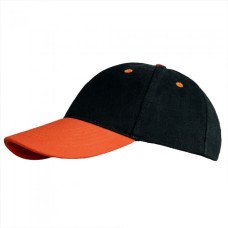
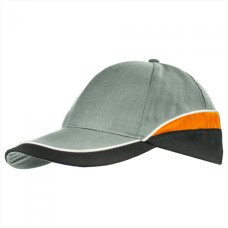
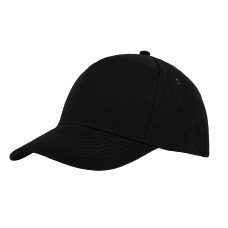
Lightweight summer caps provide protection against ultraviolet rays, which is crucial for outdoor workers. These caps often feature ventilation holes to improve comfort in hot conditions. They help prevent sunburn and reduce the risk of heatstroke.
In winter, workers need warm hats or insulated helmets. High-quality winter hats should retain warmth and protect against wind while maintaining comfort and mobility. Materials with fleece lining are ideal for these purposes. In harsh winter environments, every element of the headgear should provide warmth, protection, and comfort.
Corporate Spirit and Style in Work Headgear
Work headgear influences not only physical protection but also the company’s internal spirit. Caps, hats, and helmets can serve as both protective and branding elements. Wearing uniform headgear promotes a sense of unity among employees and strengthens corporate identity.
Branded caps or hats often become a source of pride and boost team belonging. The appearance of employees typically creates the first impression of the company, so it’s important that headgear aligns with the organization’s style and values.
Additionally, neat, well-equipped workers wearing proper head protection send a positive message to clients and partners. It fosters confidence and reinforces professionalism. Incorporating work headgear into corporate culture enhances relationships among employees and builds trust within the team.
Conclusion
Modern technologies have greatly improved the quality of work headgear. Many innovative materials and manufacturing techniques have been developed to enhance safety and comfort. For example, the use of high-strength plastic and composite materials in helmet production has made them lighter and more impact-resistant.
There are also new technologies designed for body temperature regulation. Headgear with thermal control systems helps maintain a comfortable microclimate — crucial in both high and low temperatures. Some models even feature built-in ventilation systems to prevent overheating or excessive cooling.